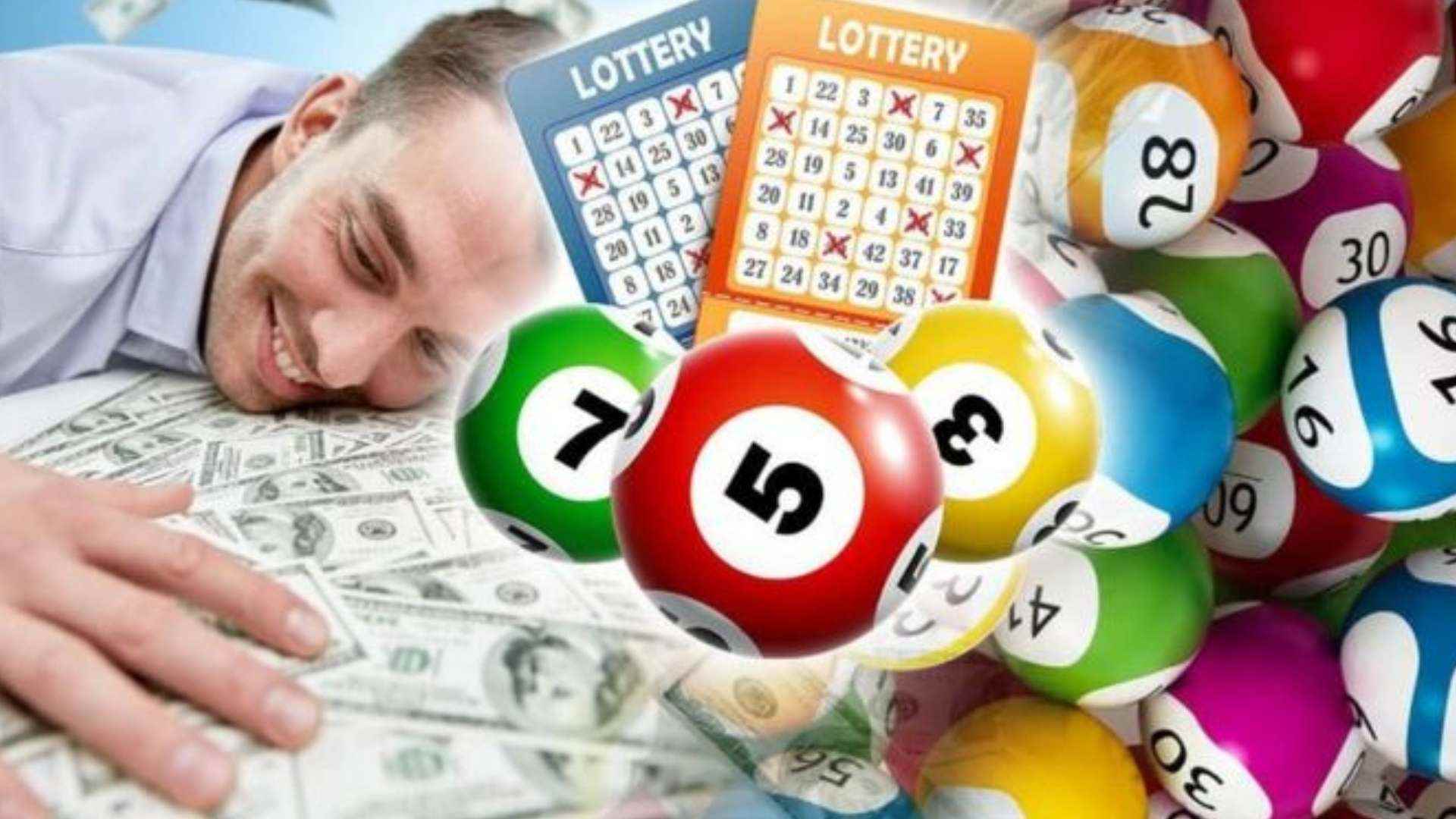
Many participants in probability-based games believe that purchasing entries in large quantities is a foolproof strategy for securing a win. While increasing the number of entries technically improves overall odds, the financial concept of diminishing returns heavily influences the actual outcome. Understanding how mathematical probability interacts with bulk purchases helps players evaluate whether large volume entries truly offer practical value.
The Math Behind Buying in Quantity
When purchasing a single ticket, the probability of winning is calculated based on total possible outcome combinations. Adding more tickets increases the total favorable outcomes, but each additional unit costs the exact same amount while contributing a progressively smaller percentage to the overall chance of winning.
For instance, going from one entry to ten entries increases coverage significantly in relative terms. However, expanding from one thousand entries to one thousand and ten yields a negligible increase in probability despite requiring the same financial outlay.
Financial Efficiency and Marginal Gains
The principle of diminishing returns dictates that the marginal benefit of an action decreases as the input volume rises. In ticket buying, every additional dollar spent yields a lower percentage increase in overall win probability. This imbalance creates a ceiling where spending more capital no longer aligns with rational risk management.
Furthermore, bulk purchases significantly elevate upfront expenditures without fundamentally shifting the underlying mathematical odds into positive territory. Because most selection pools are immense, even purchasing thousands of entries leaves the vast majority of combinations uncovered, leaving the participant exposed to high financial downside.
The Risk of Shared Prize Pools
Another major consideration when purchasing entries in high volumes is the structure of fixed versus variable prize pools. In setups where multiple winners split the main reward, successfully matching numbers does not guarantee a full payout. If secondary participants select identical winning figures, individual earnings drop dramatically.
This scenario severely impacts return expectations for high-volume purchasers. Spending substantial sums to cover wider combinations can result in a net loss even when securing a top tier outcome, simply because the final reward is diluted across several participants.
Smart Session Planning and Budget Boundaries
Approaching probability games with an awareness of diminishing returns promotes healthier financial decisions. Recognizing that buying in bulk fails to create a proportional statistical advantage encourages participants to view these formats primarily as casual entertainment rather than investment models.
Establishing clear expenditure caps and fixed participation rules safeguards resources over time. By maintaining realistic expectations regarding marginal gains, individuals can participate responsibly without overextending capital in search of marginal probability boosts.