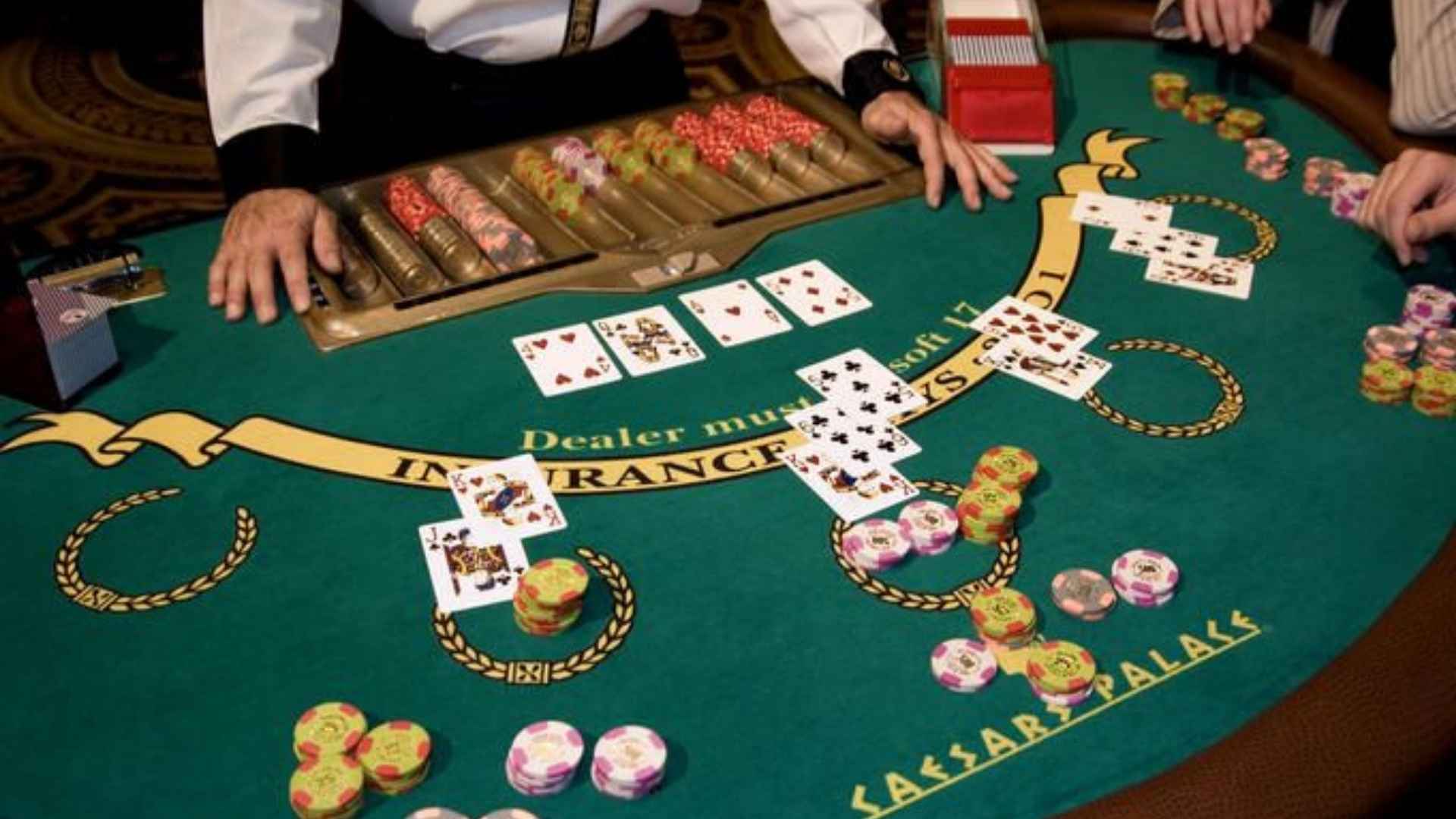
In competitive contract bridge, forcing opponents to make decisions under incomplete information is one of the most effective ways to secure an advantage. By applying deliberate pressure during both the bidding and play phases, players can push the opposing partnership into making costly missteps. Mastering these tactical maneuvers transforms routine hands into complex puzzles for your rivals.
Applying Pressure During the Bidding Phase
Preemptive bids and energetic overcalls immediately deprive the opposing side of valuable bidding space. When forced to enter the auction at a higher level, opponents must guess their combined strength without standard low-level exchanges. This frequently leads to overbidding or missing optimal contracts altogether.
Strategic competitive bidding also masks your distribution, making defensive planning far more tricky for the opposition. Many players visiting sports and gaming portals like m88 - m thể thao appreciate how strategic pressure creates opportunities in competitive environments. By maintaining an aggressive presence, you shift the psychological burden onto the other side of the table.
Executing Deceptive Card Play Tactics
Declarers can create dilemmas for defenders by playing unexpected honor cards or delaying standard lines of play. Smoothly executing a card without hesitation often leaves defenders uncertain about where key tricks reside. This ambiguity forces them to choose between passive play or taking risky active leads.
Defenders can similarly disrupt the declarer by returning unexpected suits or giving false signals when safe to do so. False carding when the outcome is clear to your partner but unclear to the declarer can derail their carefully planned strategy. These subtle maneuvers disrupt the declarer's mental picture of the remaining hidden cards.
Leveraging Endplays and Squeezes
Advanced declarer techniques like endplays directly force an opponent into making a losing card selection. By stripping safe exit cards from a defender's hand, you force them to give up a trick when they regain lead. The defender is left with no good options, regardless of which card they play.
Squeeze plays operate on a similar principle by overloading a defender's ability to hold essential guards in multiple suits. As winning cards are cashed, the targeted opponent must discard a vital guard, opening the door for extra tricks. Mastering these positional strategies turns tight matches decisively in your favor.
Dictating the Tempo of the Game
Controlling the pace of trick generation prevents opponents from executing their defensive plans effectively. Striking early in weak suits or forcing defenders to trump can shorten their long suits and destroy their communication. Managing entry points carefully ensures you remain in complete control throughout the deal.
Maintaining composure while keeping opponents on the defensive builds long-term tactical control. When opponents are constantly reacting to your moves, unforced mistakes naturally increase. Consistent application of these strategic principles guarantees better results in competitive bridge sessions.